
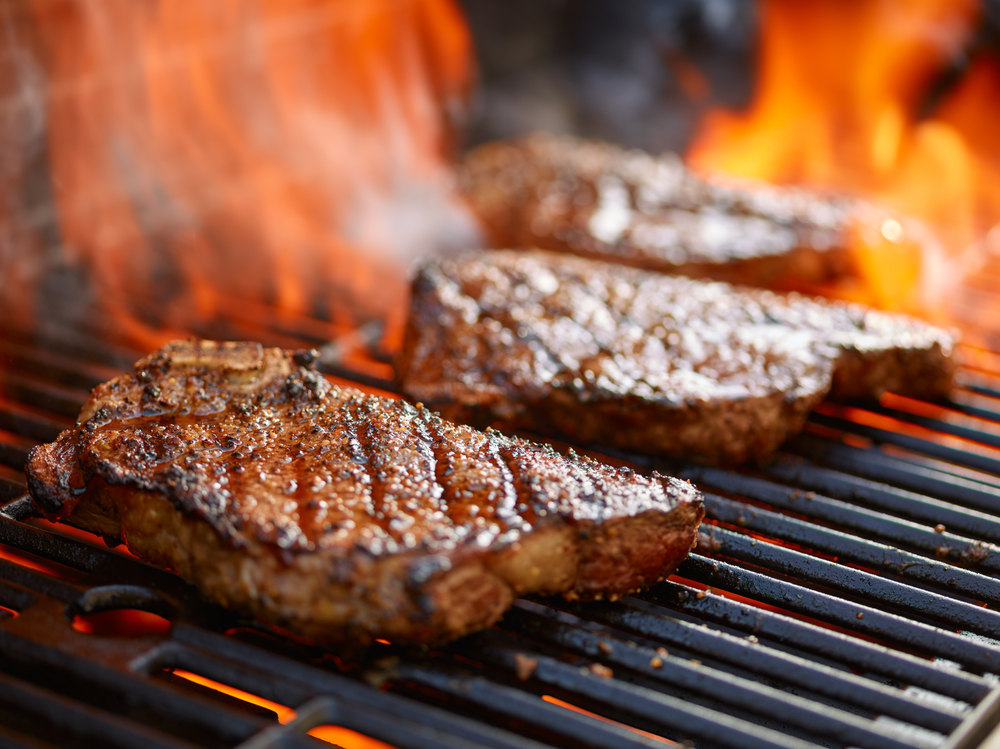
Gas vs. Charcoal Grilling: What’s Best for Flavor?
May 8, 2026 3:32 pm Leave your thoughtsFew debates in the world of backyard cooking are as passionate and long-standing as the gas vs charcoal grill argument. Ask any group of grill enthusiasts which setup they prefer, and you are almost guaranteed to spark a lively conversation. Some swear by the convenience and control of gas, while others insist that nothing can replicate the deep, smoky flavor that only charcoal can deliver.
But when it comes down to what truly matters at the dinner table, which option wins? Let’s break it all down so you can make the most informed decision for your next cookout.
The Science Behind Grilling Flavor
To understand why the gas vs charcoal grill debate matters so much to flavor, you first need to understand what actually creates that distinctive grilled taste. The answer lies in a combination of heat, smoke, and a chemical reaction called the Maillard reaction. This reaction occurs when proteins and sugars in food are exposed to high heat, creating hundreds of new flavor compounds that give grilled meat its signature browned, savory crust.
Both gas and charcoal grills can trigger the Maillard reaction effectively, since both are capable of reaching the high temperatures needed. However, the type of fuel you use has a significant impact on the secondary flavors that develop during cooking. Charcoal, especially hardwood lump charcoal, produces combustion byproducts that include aromatic compounds. These compounds settle on the surface of your food and contribute to that unmistakable smoky, complex flavor profile that many grill lovers associate with authentic barbecue.
Gas grills, on the other hand, burn cleaner. Propane and natural gas combust almost entirely into water vapor and carbon dioxide, which means they contribute very little in the way of additional flavor. What you get from a gas grill is the pure, unadulterated taste of the food itself, enhanced by the Maillard reaction and the drippings that fall onto the heat diffusers and vaporize back up onto the food.
Charcoal Grilling: The Case for Smoky, Complex Flavor
When people talk about the best grill for flavor, charcoal almost always comes up first. There is a reason for this. Charcoal grilling produces a level of complexity that is genuinely difficult to replicate with gas. The smoke that rises from burning charcoal and dripping fat creates a rich, layered flavor that penetrates the outer surface of meats, fish, and vegetables.
Hardwood lump charcoal takes this even further. Unlike standard briquettes, which are compressed charcoal mixed with additives and binders, lump charcoal is made from real wood that has been charred. It burns hotter, produces more authentic smoke, and leaves behind less ash. When you cook over lump charcoal, your food picks up subtle notes from the wood species used, whether that is oak, hickory, or mesquite.
Charcoal grills also excel at high-heat searing. Because charcoal can reach extremely high temperatures, especially with proper airflow management, you can achieve a crust on a steak that has a deep, almost caramelized char on the outside while remaining juicy on the inside. That combination of textures and flavors is a big reason why serious pitmasters and backyard grill masters tend to reach for charcoal when they want to impress.
The tradeoff, of course, is time and effort. Lighting a charcoal grill takes patience. You need to let the coals ash over before you start cooking, which typically takes 20 to 30 minutes. Managing the temperature requires adjusting vents and moving coals around, which is more of an art than a science. For those who enjoy the ritual of it, this is part of the appeal. For those who just want dinner on the table quickly, it can be a frustration.
Gas Grilling: Convenience Without Sacrificing Quality
The gas grill has earned its place in millions of backyards for good reason. It offers speed, convenience, and a level of temperature control that charcoal simply cannot match. Turn the knob, push the igniter, and you are ready to cook in about ten minutes. Adjusting the heat is as simple as turning a dial, which makes it much easier to cook a wide variety of foods at precise temperatures.
When it comes to the best grill for flavor in terms of everyday cooking, gas is a strong contender for the average home cook. While it may not produce the same smoky depth as charcoal, a well-made gas grill still delivers delicious results. The drippings from your food hit the heat diffusers or lava rocks and vaporize, sending flavor-rich smoke back up to coat your food. This process, sometimes called “flare-up flavor,” contributes more taste than many people expect.
Gas grills also tend to be easier to clean and maintain, and they offer more versatility for cooking techniques like indirect heat roasting, which is ideal for whole chickens, roasts, and larger cuts of meat. The consistent, controllable heat makes it easier to avoid burning your food, which is a real advantage for less experienced grillers.
If you want to bridge the gap between gas and charcoal, many gas grill users add wood chips or wood chunks in a smoker box to introduce some of that smoky character into their cooking. While it does not fully replicate the charcoal experience, it gets you noticeably closer and can satisfy the craving for a smokier flavor without switching fuel sources entirely.
Comparing the Two: Key Flavor Factors Side by Side
When you set the gas vs charcoal grill debate against specific flavor factors, a few clear patterns emerge. Charcoal wins on depth and complexity of flavor, particularly for red meats, ribs, brisket, and anything that benefits from extended exposure to smoke. The slightly bitter, earthy notes that charcoal imparts can be genuinely transformative for these types of food.
Gas wins on clean flavor delivery and consistency. If you are grilling delicate proteins like fish, shrimp, or chicken breasts, a gas grill gives you more control, which means less risk of overcooking or absorbing too much smoke. For vegetables, the cleaner heat of gas can actually preserve their natural sweetness better than charcoal in some cases.
Temperature management is another critical factor. Charcoal grills can reach extreme highs and have cool spots you can use for two-zone cooking, but managing the transition between zones takes experience. Gas grills make two-zone cooking simple by turning off one or more burners, giving you a sear zone and a resting zone with minimal effort.
Ultimately, the best grill for flavor depends heavily on what you are cooking and how much time you are willing to invest in the process. A dedicated charcoal user cooking a rack of ribs low and slow will almost certainly produce something more complex and smokier than the same rack cooked on gas. But a skilled gas griller cooking a perfectly timed salmon fillet may very well outperform a charcoal setup where the temperature got away from the cook.
Conclusion
The gas vs charcoal grill question does not have a single right answer, because flavor is personal and context-driven. Charcoal delivers unmatched smoky complexity and is the choice of purists who want maximum flavor impact, particularly for long cooks and bold cuts of meat. Gas offers speed, precision, and clean results that work beautifully for everyday grilling across a wide range of ingredients. The best grill for flavor is ultimately the one you know how to use well. Master your fuel source, pay attention to your food, and great results will follow every time you fire up the grill.
Visit Our Local Area Deli Service and Butcher Shop Today!
Categorised in: Grilling Tips
This post was written by admin