
Why Fresh Bread Makes All the Difference in a Deli
March 2, 2026 10:32 pm Leave your thoughts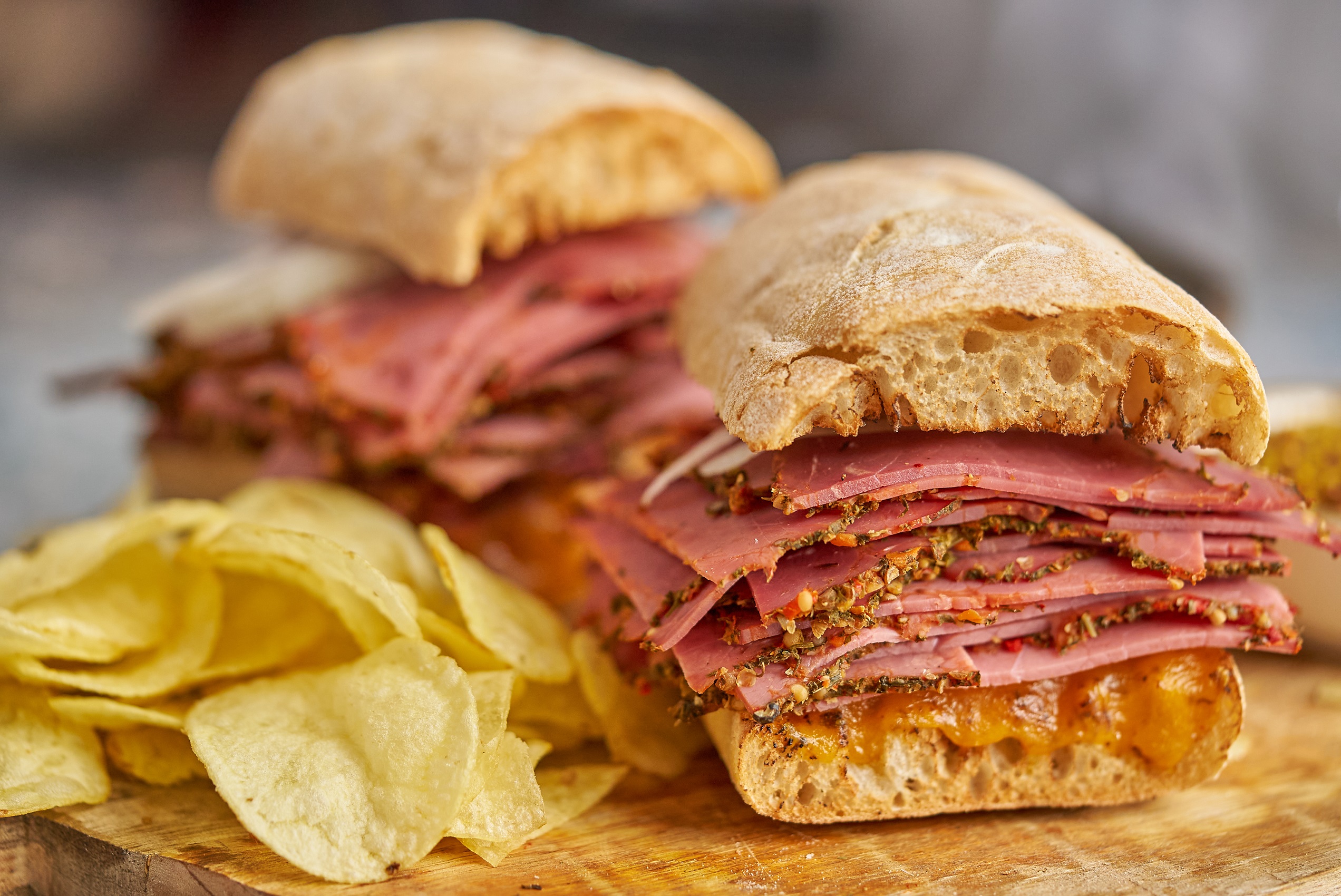
Walk into any great deli and close your eyes for a second. Before you even see the display case, you smell it. That warm, toasty, just-baked aroma that feels like a hug and a promise at the same time. It is the scent of possibility. It is the quiet hero behind every unforgettable sandwich. Meats can be sliced perfectly. Cheeses can be aged to perfection. Sauces can be house-made and legendary. But if the bread falls flat, the whole experience does too.
There is a reason seasoned sandwich lovers insist on asking about the bread first. Why fresh bread matters is not just a culinary debate. It is the foundation of everything a deli does well.
Bread Is the Foundation, Not the Afterthought
Think of a sandwich like a building. The fillings are the decor, the personality, the flair. But the bread is the structure holding everything together. Without a strong foundation, everything else collapses.
Fresh bread has integrity. It has a crisp crust that crackles slightly when you press into it. It has a tender crumb that springs back instead of crumbling apart. It supports layers of turkey, roast beef, or grilled vegetables without becoming soggy or brittle.
When bread is stale or mass-produced and overly processed, it lacks character. It compresses under pressure. It tears in the middle of a bite. It distracts from the flavor instead of enhancing it. The importance of deli bread becomes obvious the moment a sandwich fails to hold its shape.
Fresh bread does more than contain ingredients. It frames them. It elevates them. It allows every bite to be balanced and intentional rather than chaotic.
Texture Is Where the Magic Happens
Flavor gets all the attention, but texture is where the magic lives. A truly great deli sandwich is a symphony of textures. Crisp lettuce. Creamy cheese. Tender meat. Tangy pickles. But none of that works without the right bread.
Fresh bread offers contrast. A lightly toasted exterior with a soft interior creates that irresistible first bite. The crust provides structure. The inside cradles the fillings gently. It is the difference between a sandwich that feels alive and one that feels flat.
Why fresh bread matters becomes even clearer when you compare a day-old roll to one pulled from the oven hours earlier. Fresh bread has moisture. It has elasticity. It adapts to the fillings rather than fighting them. That chew, that slight resistance, that golden crust all contribute to an experience that feels satisfying rather than merely filling.
Texture is not an accessory. It is a core ingredient. And in a deli setting, it is often what separates good from unforgettable.
Flavor Begins with the Loaf
Bread is not neutral. It is not a blank canvas waiting quietly for toppings. Fresh bread carries its own flavor profile. There are subtle notes of yeast, grain, salt, and fermentation that deepen the overall taste of a sandwich.
A freshly baked sourdough brings tang and complexity. A warm ciabatta adds airy lightness with a slight nuttiness. A perfectly baked rye offers earthiness that complements pastrami like nothing else can. These flavors are not accidental. They are intentional and transformative.
When bread is made fresh, it has depth. When it is pre-packaged and shipped from miles away, that depth fades. The importance of deli bread lies in its ability to amplify everything layered inside it. It is the difference between a sandwich that tastes assembled and one that tastes crafted.
Why fresh bread matters is ultimately about harmony. Every ingredient should contribute something meaningful. Fresh bread does exactly that.
Fresh Bread Signals Care and Craftsmanship
You can tell a lot about a deli by its bread. If the loaves are baked fresh, if they are sliced to order, if they are handled with attention, you know you are in a place that cares.
Fresh bread is not convenient. It requires planning, skill, and commitment. It requires timing. It requires understanding fermentation, temperature, and texture. When a deli prioritizes fresh bread, it signals a larger philosophy about quality.
Customers notice. They may not always articulate it, but they feel it. They sense when a sandwich has been thoughtfully constructed from the ground up. They recognize when the bread complements rather than compromises the fillings.
The importance of deli bread extends beyond taste. It reflects a dedication to the craft of sandwich-making. It shows that the deli understands its responsibility to deliver not just food, but experience.
Fresh Bread Transforms the Everyday into the Extraordinary
A sandwich is one of the most ordinary meals imaginable. It is portable. It is practical. It is often eaten quickly between meetings or during a short lunch break. But fresh bread has the power to transform that ordinary moment into something extraordinary.
A warm baguette with a crackling crust turns a simple ham and cheese into a Parisian daydream. A fresh sesame roll makes a turkey club feel indulgent. A pillowy focaccia infused with olive oil elevates grilled vegetables into something you crave long after the meal ends.
Why fresh bread matters is about joy. It is about that first bite that makes you pause. It is about crumbs on your plate and the instinct to pick up every last one. It is about walking out of a deli feeling satisfied not just in your stomach, but in your spirit.
Fresh bread creates memories. You may forget the exact brand of mustard used or the thickness of the tomato slice. But you will remember the way the bread tasted. You will remember how it held everything together and delivered that perfect balance of crunch and softness.
The Emotional Power of Freshly Baked Bread
There is something deeply emotional about fresh bread. It feels nurturing. It feels abundant. It carries centuries of tradition in every loaf. In a deli setting, that emotional connection matters.
People come to delis for comfort. They come for familiarity. They come for flavors that remind them of home or introduce them to something new in a welcoming way. Fresh bread bridges those experiences.
The importance of deli bread goes beyond culinary science. It taps into something instinctual. The smell of bread baking can slow you down. The sight of golden crusts can make you smile before you even order.
In a world that moves fast and prioritizes convenience, fresh bread is a deliberate act. It says this moment matters. This meal matters. You matter.
Bread Is the Difference Between Good and Legendary
There are plenty of delis serving decent sandwiches. The fillings are respectable. The portions are generous. The prices are fair. But legendary delis, the ones people travel for and talk about long after they have left, almost always share one thing in common. Exceptional bread.
When you bite into a sandwich and the bread shatters slightly before yielding to a soft, flavorful interior, you know you have found something special. When the bread enhances every ingredient instead of fading into the background, you understand the difference.
Why fresh bread matters is not just a question for bakers. It is a question for anyone who cares about quality. The importance of deli bread cannot be overstated because it is the stage upon which every other ingredient performs.
A deli that invests in fresh bread invests in the entire experience. It elevates the everyday. It transforms simple ingredients into something worth savoring. And it reminds us that even the most familiar foods can feel extraordinary when made with intention.
The next time you unwrap a sandwich, pay attention to the bread. Notice the aroma, the texture, the flavor. Ask yourself if it feels alive. Because when it does, you are not just eating lunch. You are tasting the difference that fresh bread makes.
Categorised in: Fresh Bread, Sandwich Breads
This post was written by admin