
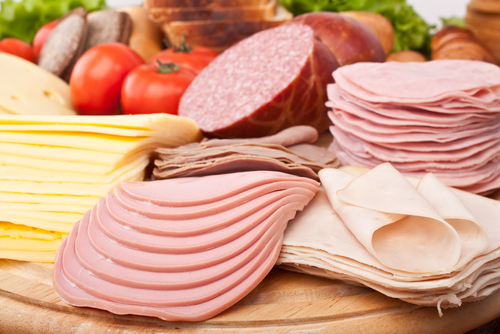
What to Look for in a Quality Deli Meat and Cheese Selection
March 27, 2026 3:47 pm Leave your thoughtsWhen it comes to building a delicious sandwich or charcuterie board, the quality of your deli meats and cheeses makes all the difference. Whether you’re shopping at your local market or visiting a specialty food store, knowing what to look for can transform your dining experience. Understanding how to pick deli meats and identifying quality deli meats ensures you’re bringing home products that taste great and offer genuine value for your money.
Understanding Ingredient Quality and Sourcing
The foundation of quality deli meats begins with understanding what goes into them. When examining quality deli meats at your local butcher or grocery store, take a moment to read the ingredient list carefully. The best options contain straightforward ingredients like meat, salt, and perhaps some spices or curing agents. Be cautious of products with extensive lists of additives, preservatives, and ingredients you cannot pronounce.
Look for deli meats that specify the type of meat used. For example, “turkey breast” is superior to “turkey product” because it indicates a higher percentage of actual meat. Similarly, hams labeled as “bone-in” or from specific cuts suggest better quality than generic “ham” products. The source of the meat matters too. Meats from heritage breeds or animals raised on pasture often have superior flavor profiles and texture compared to products from conventional industrial operations.
When evaluating how to pick deli meats, consider supporting local producers whenever possible. Many regions have small-scale meat processors who use traditional methods and higher-quality ingredients than mass-market brands. These producers often limit their use of nitrates and nitrites, relying instead on slower curing processes that develop deeper flavors. Visiting a local deli counter allows you to ask questions about sourcing and processing methods directly.
Appearance, Texture, and Color Assessment
Visual inspection provides valuable clues about deli meat and cheese quality. Quality deli meats should have a consistent color without excessive paleness or artificial brightness. Some discoloration near the edges is normal due to oxidation, but the majority of the product should display a vibrant, natural hue. Pre-packaged meats often look more uniform due to packaging and lighting, while counter-sliced options may vary slightly, which typically indicates natural ingredients.
The texture of quality deli meats is another critical factor. Run your fingers over the surface if possible. Superior meats should feel slightly moist but not slimy or sticky. Excessive moisture can indicate poor quality storage or excessive brine. Conversely, meat that appears dry or has a crusty exterior may have been sitting too long or was dried improperly during processing.
When selecting cheese alongside your deli meats, observe the cut surface carefully. Quality cheese should have an even texture without excessive crystallization or large air pockets, depending on the cheese type. Hard cheeses may have some crystals, which actually indicates proper aging. Fresh cheeses should look smooth and creamy. Avoid cheese with mold spots, unless purchasing intentionally aged blue cheese varieties.
Look at the surface of pre-packaged products for excessive liquid or condensation inside the package. This indicates the meat or cheese may have been exposed to temperature fluctuations or stored improperly. The packaging itself should be intact without tears or punctures. If shopping at the deli counter, observe how the staff handles products and maintains cleanliness.
Taste, Aroma, and Flavor Profile Expectations
Before committing to larger purchases, whenever possible, request samples. This allows you to assess the taste and aroma directly. Quality deli meats should have a pleasant, savory aroma without any off-putting smells. Any sour, rancid, or unusual odors indicate the product has spoiled or been improperly stored. The aroma should reflect the specific meat type; turkey should smell like turkey, beef like beef.
When tasting, quality deli meats should have a pleasant salt level that enhances rather than overwhelms the natural meat flavor. The texture in your mouth should be tender and not rubbery or overly tough. Complex flavors often emerge, such as subtle smokiness in smoked varieties or gentle spice notes in seasoned options. These nuanced flavors indicate quality ingredients and proper curing or processing techniques.
Different types of deli meats offer distinct flavor profiles. Prosciutto, for instance, should be delicate and slightly sweet with a melt-in-your-mouth quality. Pastrami should have a robust, peppery flavor with visible spice coating. Roast beef should taste like quality beef, not salt-forward or artificial. Learning to identify these characteristic flavors helps ensure you’re receiving authentic products, not inferior imitations. Cheese pairings matter too; sharper cheddar complements spicy meats, while milder cheeses work well with delicate options like turkey.
Price Considerations and Value Assessment
While price alone doesn’t determine quality, understanding the relationship between cost and value is essential. Premium deli meats from specialty producers typically cost more than mass-market alternatives, and this price difference usually reflects superior ingredients and processing methods. However, this doesn’t mean the most expensive option is always best for your needs.
Compare price per ounce across different products and brands. Some premium options may offer better value than others despite similar pricing. Consider how you’ll use the meat; premium selections make sense for charcuterie boards or eating alone, while quality but more affordable options work fine for cooking or making sandwiches. Many stores offer price breaks for larger quantities, which can improve value significantly.
Don’t overlook store brands and local producers, which sometimes offer exceptional quality at more reasonable prices than famous national brands. Building relationships with your local deli counter staff can also lead to recommendations for the best quality items within various price ranges. Many delis discount products nearing their sell-by date, offering good value without sacrificing quality if you plan to use them promptly.
Storage, Handling, and Freshness Guidelines
Understanding proper storage extends the life of your quality selections and maintains their flavor integrity. Deli meats should always be kept refrigerated and stored in airtight containers or original packaging. Once opened, quality deli meats typically remain fresh for three to five days. Pre-packaged products usually last longer than counter-sliced options because they contain more preservatives.
Check the sell-by or use-by dates, but also trust your senses. Even products within the date range can deteriorate if stored improperly. Cheese storage depends on the type; hard cheeses can last weeks when properly wrapped, while soft cheeses need consumption within days. Allow refrigerated products to reach room temperature slightly before consuming to fully appreciate their flavors and textures.
Proper handling is equally important. Use clean utensils when serving, avoid leaving products at room temperature for extended periods, and keep deli meats separated from other foods to prevent cross-contamination. Some people prefer freezing excess deli meats, which can preserve quality for several months if properly wrapped.
Conclusion
Selecting quality deli meats and cheese involves attention to ingredient lists, visual assessment, sensory evaluation, and understanding your budget. By learning how to pick deli meats through these various methods and developing relationships with trusted sources, you’ll consistently bring home products that elevate your meals and snacks. Whether shopping at specialty shops or your neighborhood market, these guidelines ensure every slice contributes to truly satisfying food experiences.
Visit Our Local Area Deli Service and Butcher Shop Today!
Categorised in: Cheese, Deli Meats
This post was written by admin